



Commercial RO Plants: A Practical Guide for Offices, Hotels and Institutions

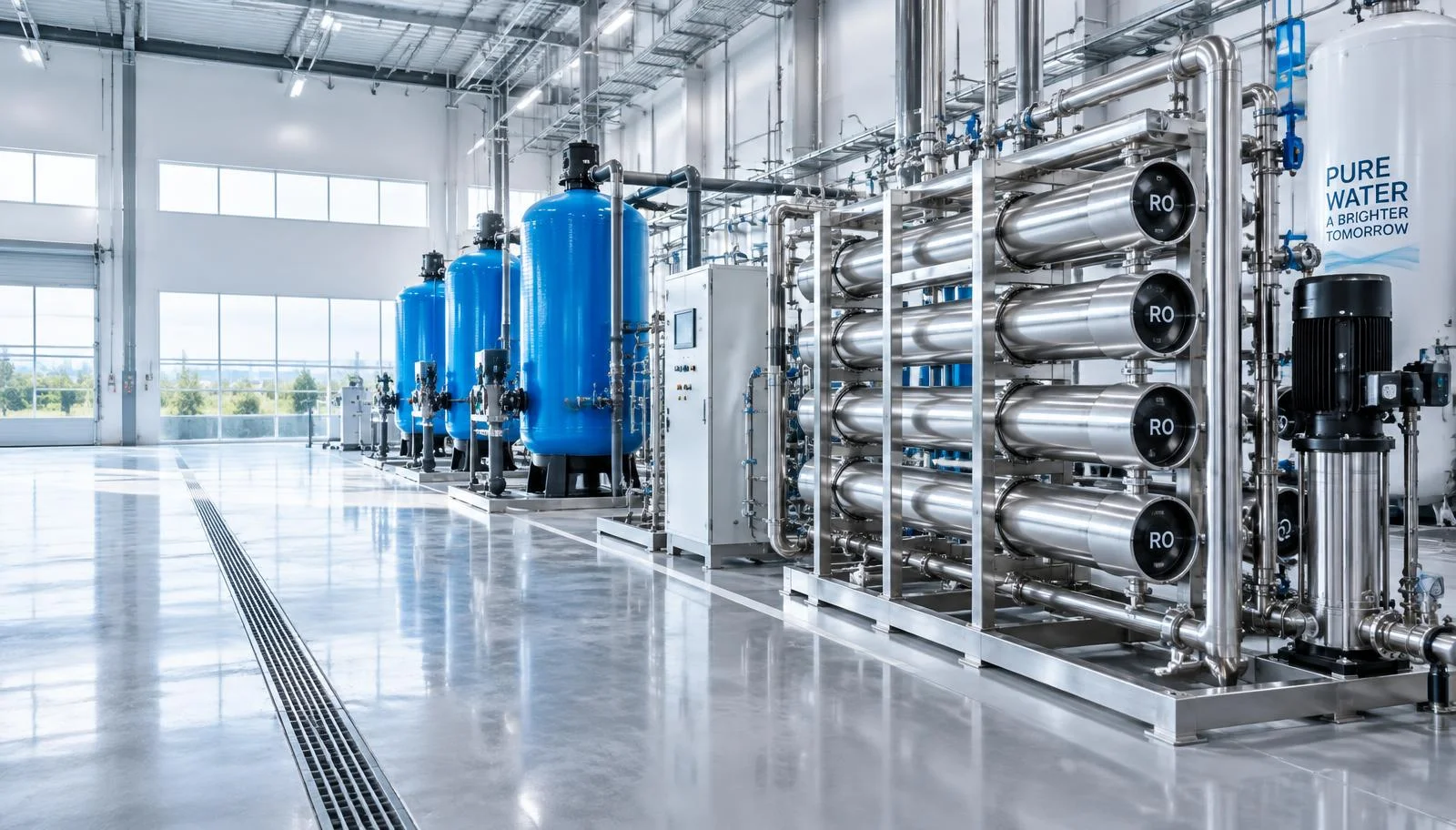
For a business, drinking water is an operational need, not a perk. A well-planned commercial RO plant replaces the daily logistics of jars and bottles with a dependable in-house supply.
Sizing for your establishment
Count occupants, guests or students, then map usage across the day. Cafeterias and kitchens add significant demand beyond drinking water. Capacity planning should cover peak hours, not averages.
Placement and distribution
A central plant with dispensing points, or an in-built system near the point of use — the layout depends on your building. Site review before installation avoids expensive rework.
Compliance and consistency
Institutions serving water to staff, guests or students carry a duty of care. Consistent purification with documented maintenance is the practical way to meet it.
The economics
Compared to recurring packaged-water costs, a commercial plant typically pays for itself over time — while removing supply-chain dependence.
Key takeaway
A commercial RO plant is an infrastructure decision. Start with a water test and a demand assessment.